


Fibrin Degradation Reagent
Fibrinolysis is a process where enzymes break down fibrin present in blood clots. Plasmin plays a significant role by cutting the fibrin mesh at various places, leading to the production of fragments that are easily cleared by other proteases. This process is called primary fibrinolysis, and it's considered a natural body process. Its primary function is to prevent thrombi formation and facilitate healing or recanalization of a vessel with a thrombotic occlusion.
On the other hand, secondary fibrinolysis occurs due to medication, disorder, or other causes. In this case, clots are broken down artificially using medication or through other methods. This type of fibrinolysis is essential in managing various medical conditions as it helps prevent complications that may arise due to clot formation.
In conclusion, fibrinolysis plays a critical role in managing blood clots in the body. Whether occurring naturally or induced by medication, this process is vital in preventing blood vessel occlusion and ensuring proper blood circulation.
The immunoturbidimetric method is employed for a quantitative analysis of crosslinked fibrin/fibrinogen degradation products in human plasma using the fibrin degradation reagent. This essential tool is specifically designed to aid in the assessment of clotting disorders and can quickly and accurately determine the levels of degradation products present. With its streamlined application process and reliable results, the fibrin degradation reagent is a valuable resource in the field of hematology.
When thrombin circulates in the body, it acts on fibrinogen by cleaving fibrinopeptides A and B. This enzymatic reaction leads to the formation of fibrin monomers, which ultimately polymerize to form fibrin. The process of fibrinolysis involves the degradation of fibrin by an enzyme called plasmin, resulting in the production of fibrin degradation products (FDP). Under normal circumstances, fibrinolysis is confined to the site of the fibrin clot due to the presence of α2-antiplasmin and plasminogen activator inhibitors, which limit its spread. However, in cases of disseminated intravascular coagulation (DIC), fibrinolysis becomes widespread and systemic. As a consequence, the circulating blood contains excessive amounts of fibrin and FDP.
The advantages of fibrin degradation reagents include the following: rearranging the content and ensuring that the generated content is based on the original text information.:
Good measuring range: 2 μg/mL ~ 60 μg/mL
:±10%。,。ChapGPT,。
To assess the intra-assay precision of our plasma pool samples, we looked at both high and low levels of fibrinogen degradation products (FDP) and D-dimer (DD), respectively. For FDP levels above 5.0 μg/mL, we found that the coefficient of variation (CV) was no greater than 6%. For lower DD levels, between 3.0 and 5.0 μg/mL, we observed a CV of no more than 10%. These results demonstrate the reliability and accuracy of our assay system, allowing for confident and consistent measurements of these important biomarkers.
Inter-batch Deviation: CV ≤10%
The stability of reagents is dependent on proper storage conditions. If left unopened and stored at 2-8℃, reagents should remain stable for a minimum of one year. It is important to maintain optimal storage conditions to ensure the longevity of the reagents.
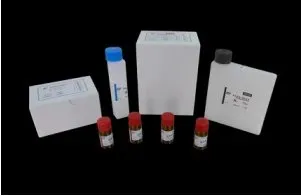
Specification:
No. | Component | |||
R1 | R2 | QC 1 | QC2 | |
1 | 4 mL×2 | 4 mL×2 | / | / |
2 | 4 mL×2 | 4 mL×2 | 1 mL×10 | 1 mL×10 |
Hot Tags: fibrin degradation reagent, China fibrin degradation reagent manufacturers, suppliers, factory
Previous
D Dimer NephelometryNext
No InformationYou Might Also Like



Send Inquiry